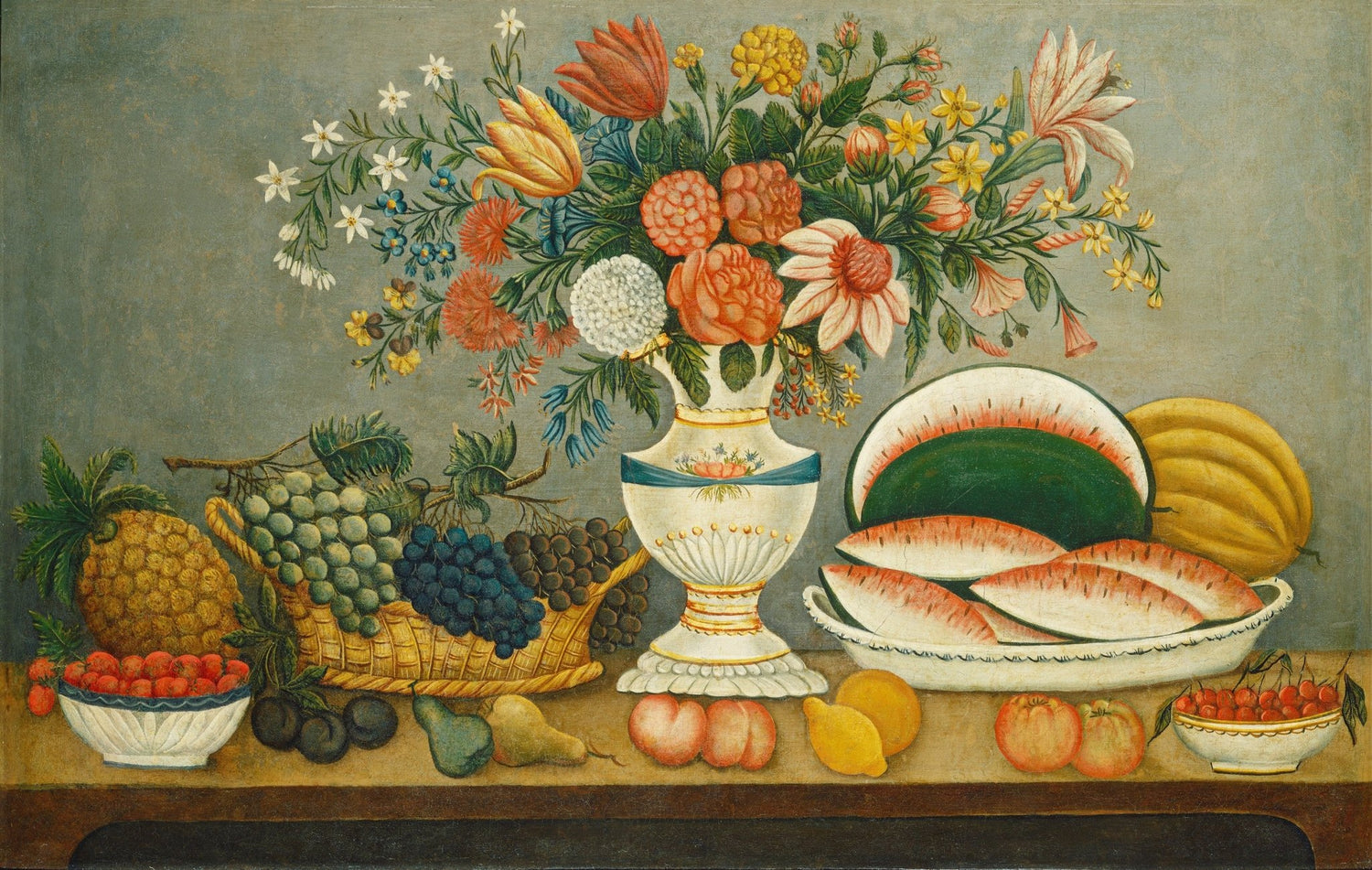
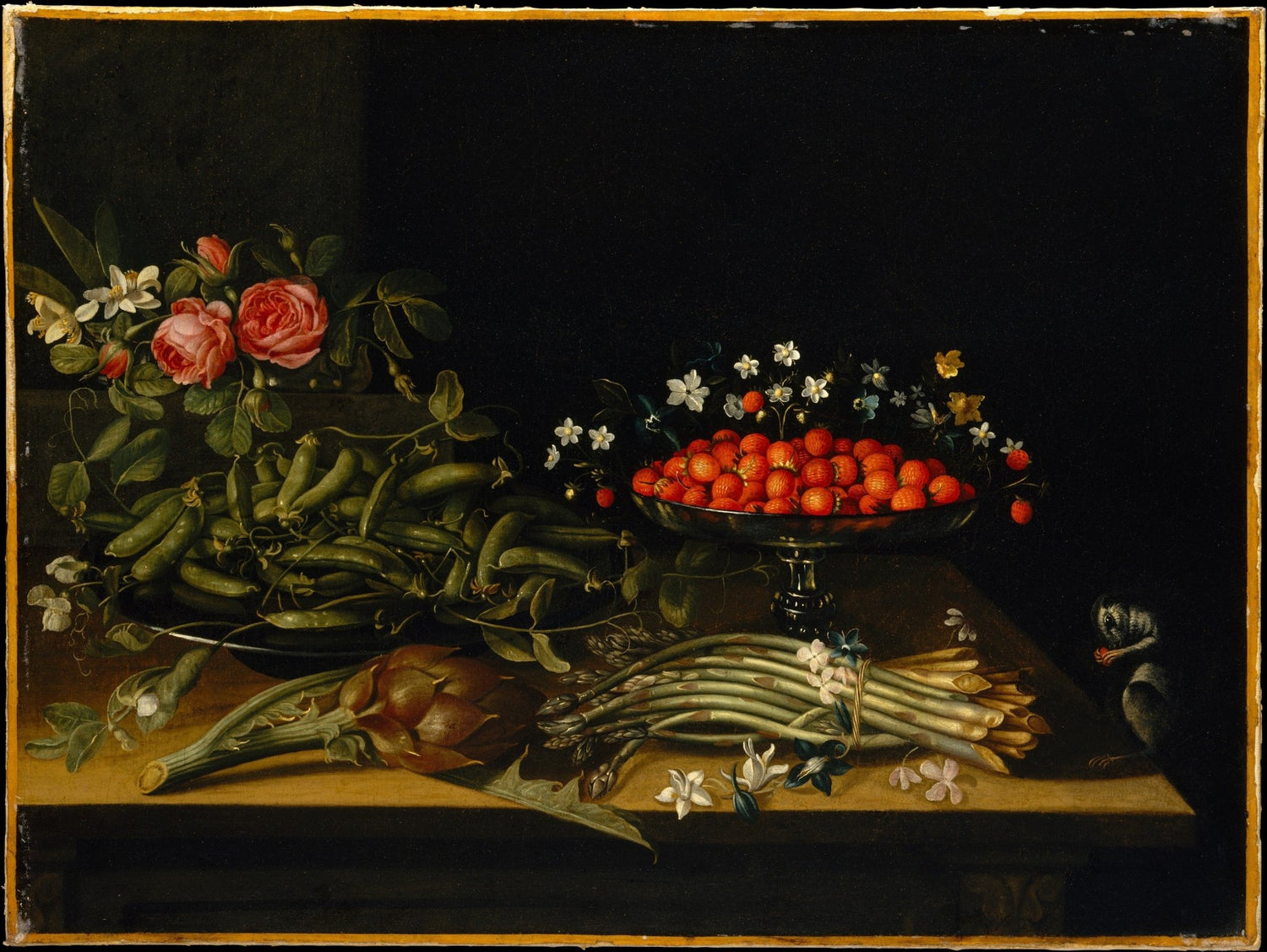
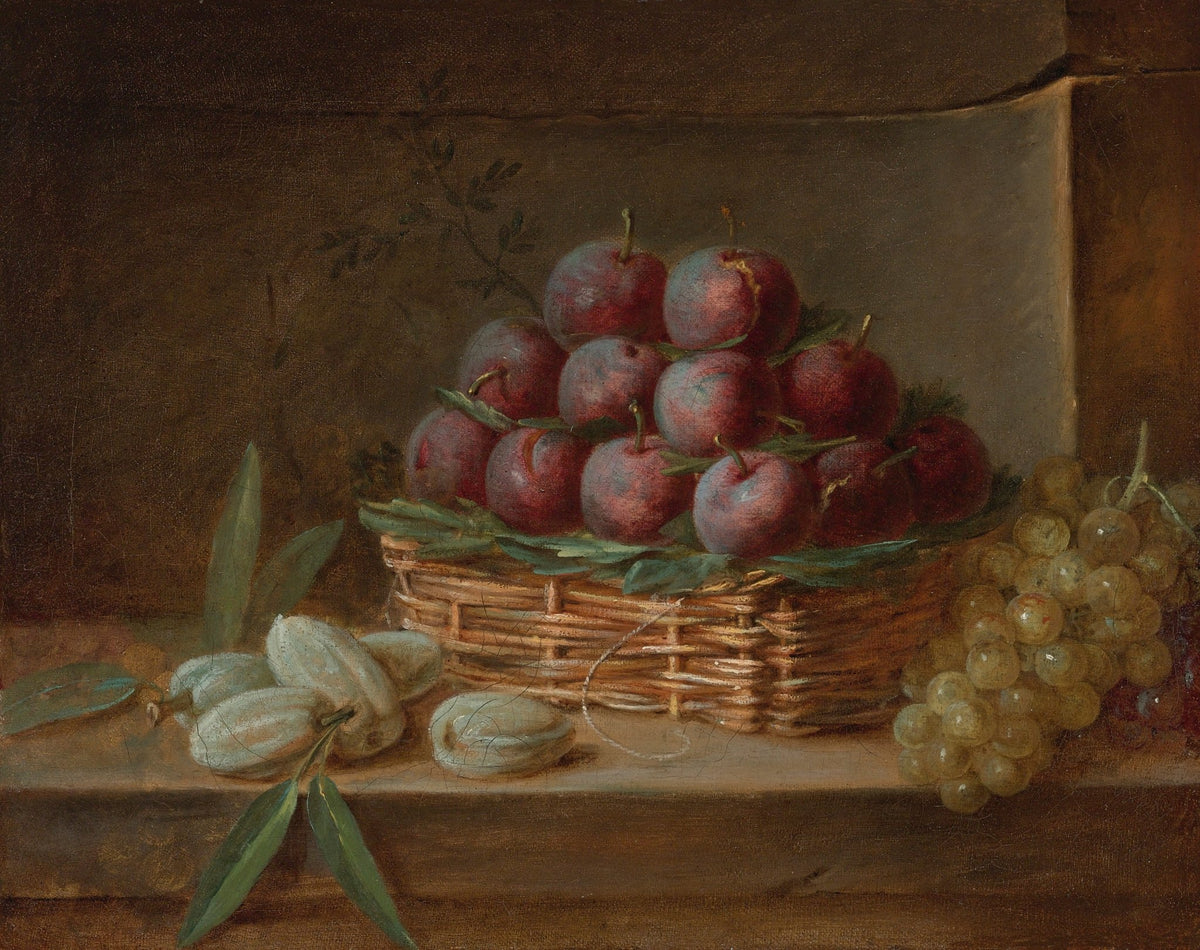
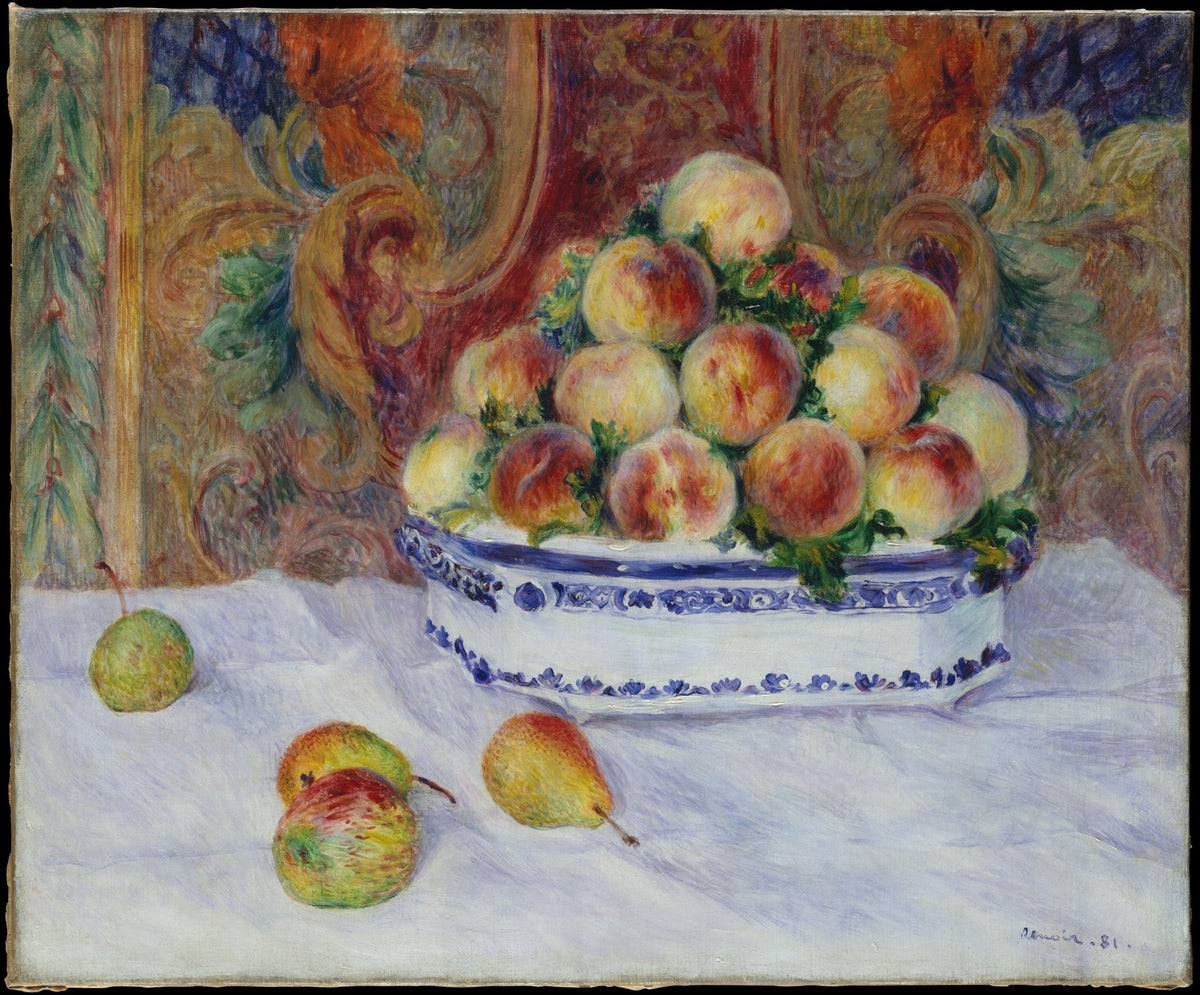
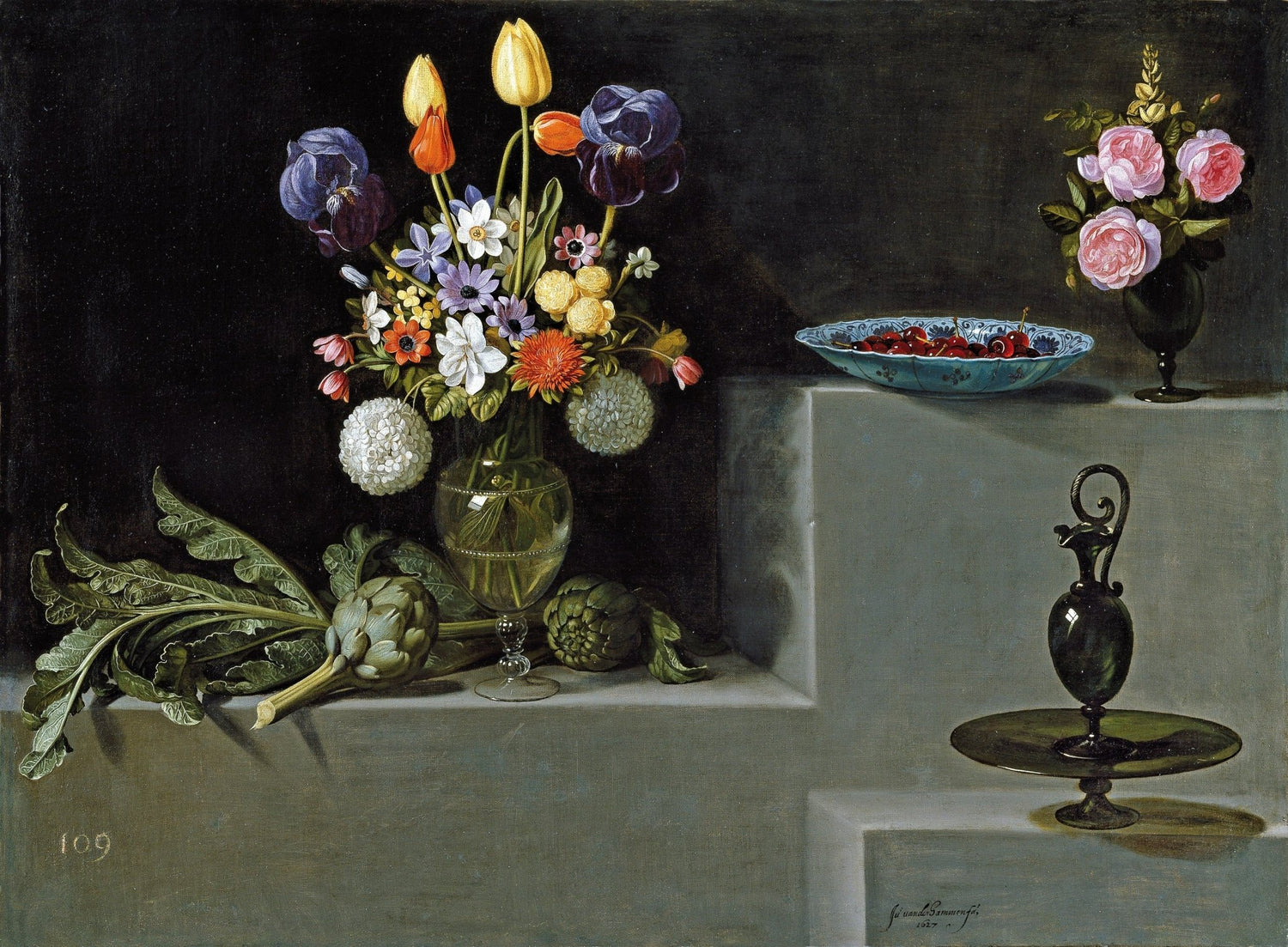
1. Start with the subject
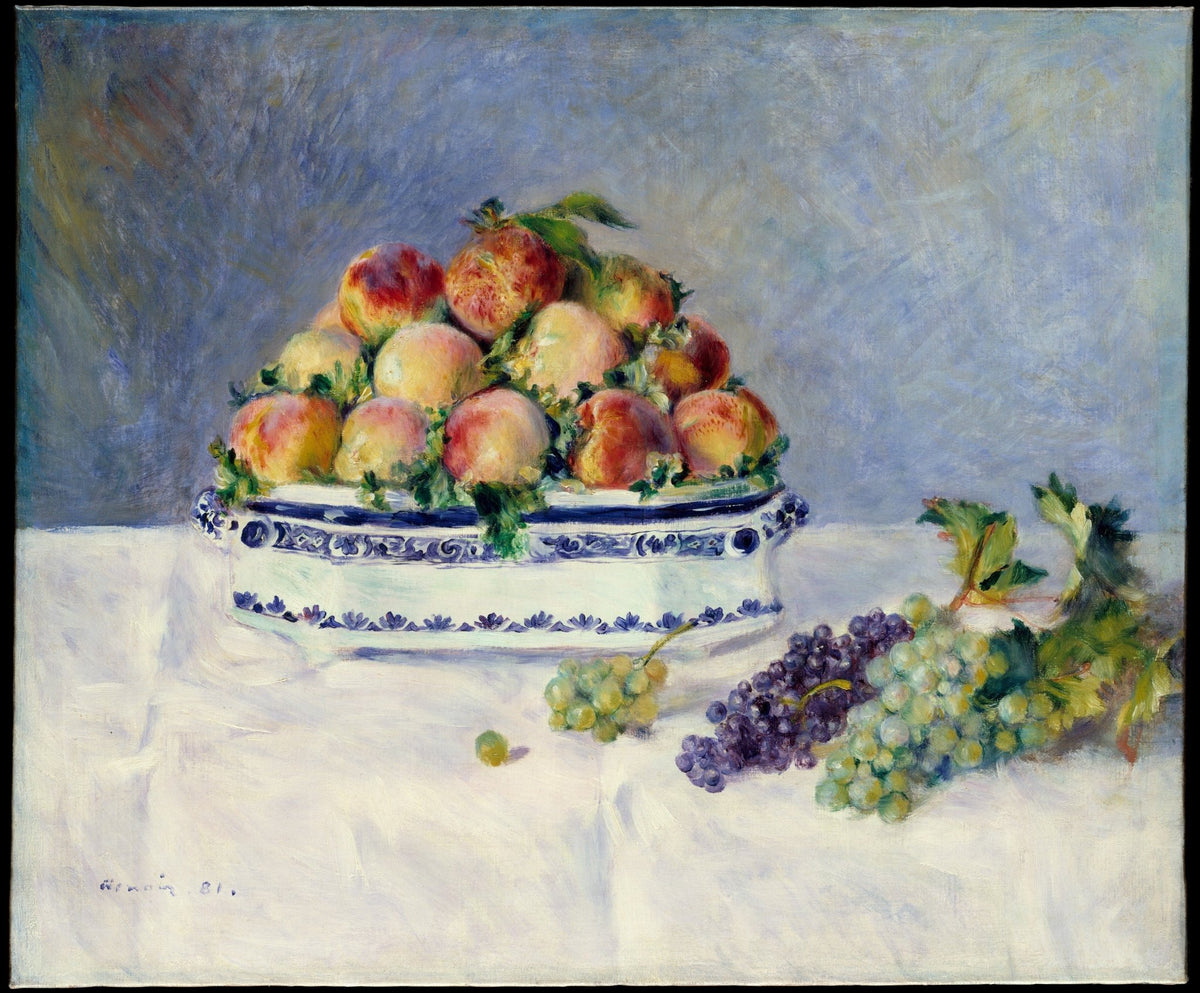
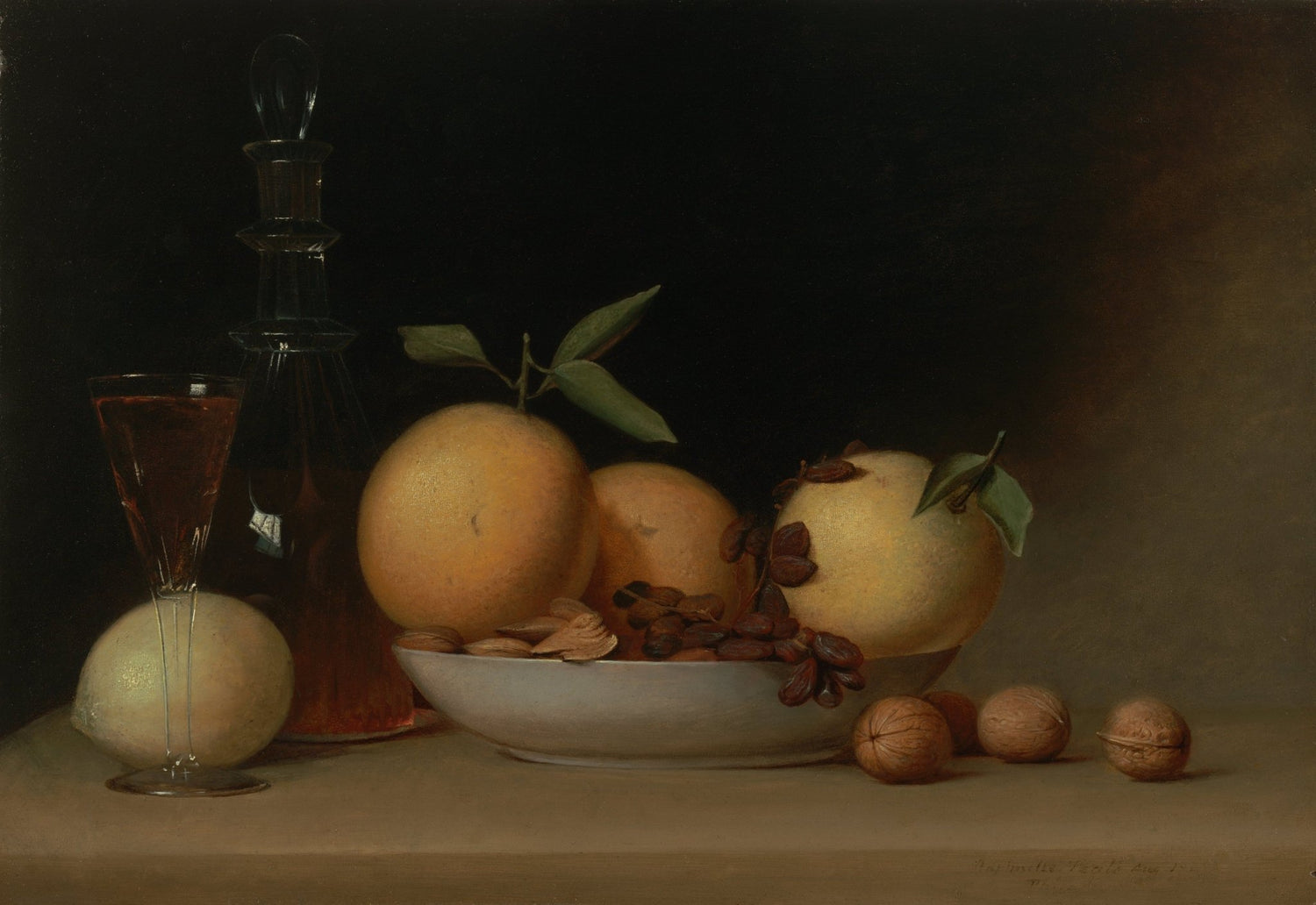
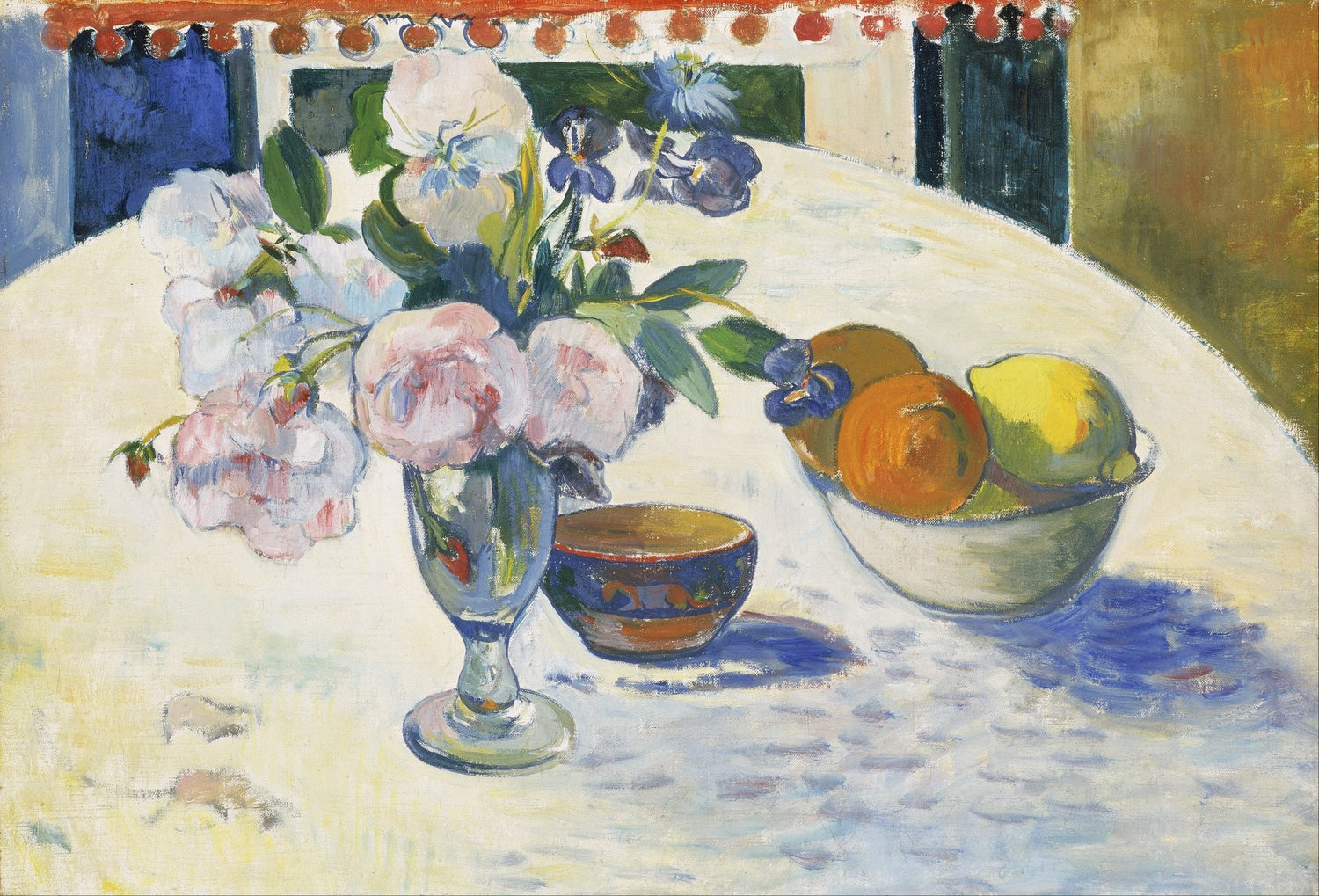
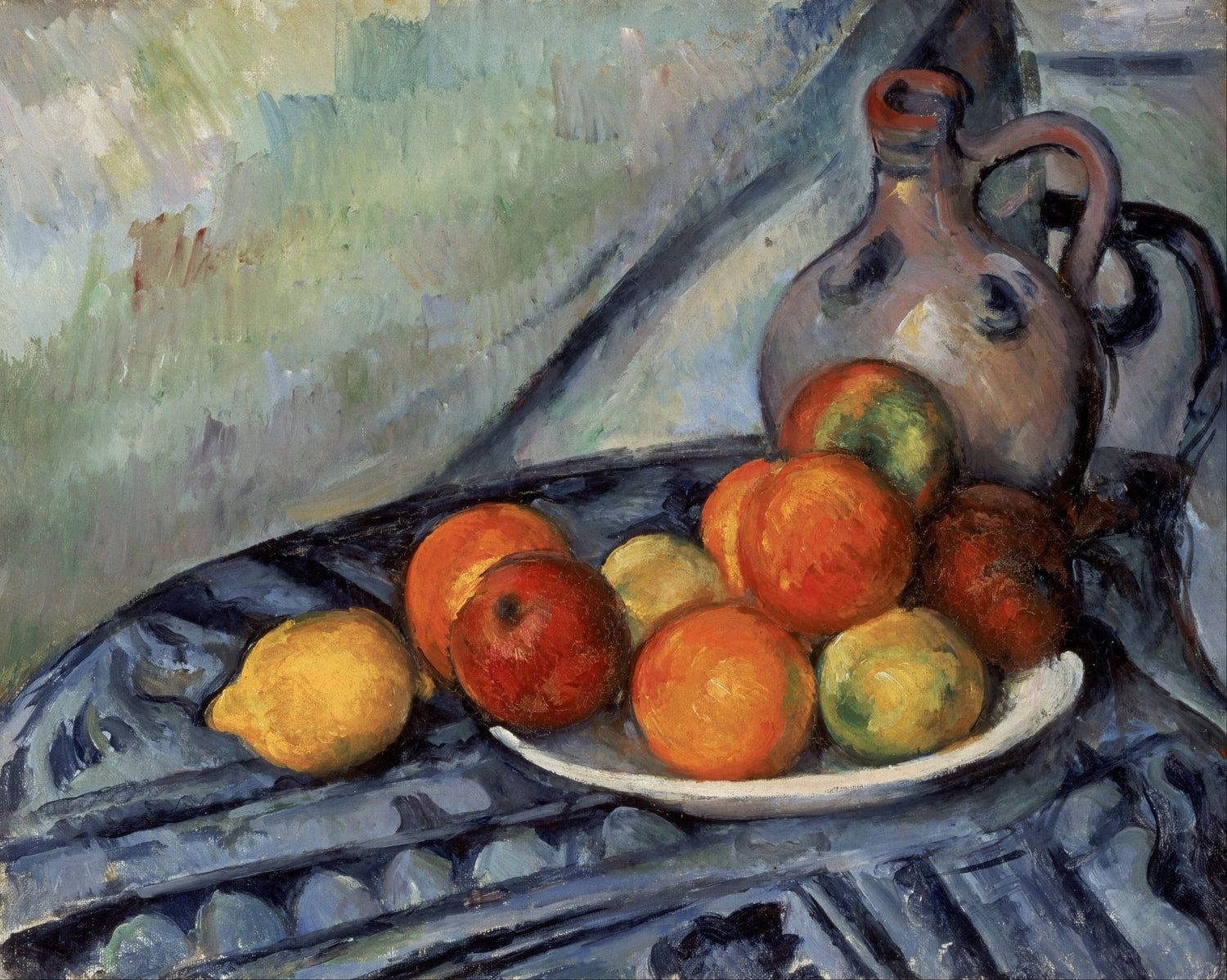
Fruit and food arrangements work naturally in dining spaces and kitchens, while floral still lifes move easily into living rooms, bedrooms and entryways. Vessels and darker classical arrangements can bring more visual weight to studies and formal dining rooms.
2. Match the palette to the room
Look first at wall tone, upholstery, wood, stone and metal finishes. A painting does not need to match the room exactly; repeating two or three important colors is usually enough to make the artwork feel intentional.
Design principle: allow the painting to introduce contrast, but repeat at least one existing room color so the composition still feels connected to the interior.
3. Choose orientation and scale
Horizontal compositions suit sideboards, sofas and dining tables. Vertical still lifes fit narrower walls, spaces between windows or smaller cabinets. Larger works benefit from more surrounding wall space.
4. Decide how much the frame should speak
Decorative gold framing strengthens a traditional composition, while simpler dark or pale frames keep attention on a modern work. The frame should support the painting rather than compete with its strongest colors.
5. Review the finished work before shipment
For made-to-order works, the finished painting can be photographed for approval before framing and shipment so details can be reviewed before the order leaves the studio.